Source Continuous Cassava Residue Dryer for Feed, Biomass, and Waste
Compare 30 continuous cassava residue dryer options with capacities up to 317.6 T/D and final moisture levels as low as 10%. These units feature rotary atomization and support air or steam heating for diverse industrial applications.
Key considerations
Products List


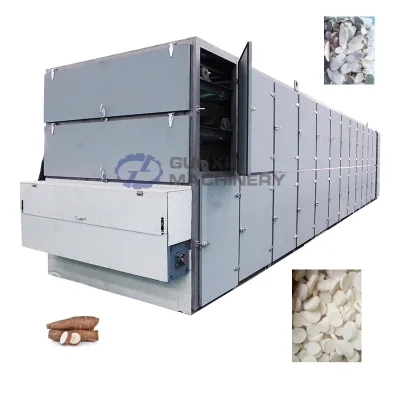

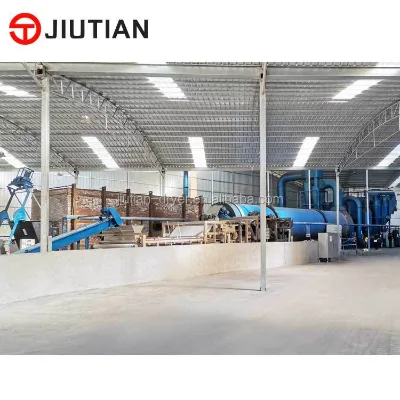


Cassava Dryer Cassava Rotary Dryer Cassava Starch Dryer Tube Bundle Drying Equipment
$48000.00 - $50000.00
Moq: 1


Cassava Corn Starch Dehydrator Tapioca Flour Drying Machine Dryer Cassava Starch
$143000.00 - $1500000.00
Moq: 1

Comprehensive Sourcing Guide
Strategic Sourcing Guide for Continuous Cassava Residue Dryers
Understanding the Core Technology and Operational Parameters
When sourcing a continuous cassava residue dryer, the primary objective is to identify machinery capable of handling high-moisture biomass efficiently while maintaining consistent product quality. The market offers distinct technological approaches, but for continuous processing, the focus must remain on systems designed for uninterrupted throughput. Based on available industry data, the most prevalent configuration for this application utilizes agitation as the movement way, ensuring that the material is constantly turned to prevent clumping and ensure uniform heat transfer.
A critical technical differentiator in these systems is the atomization method. Many high-efficiency units employ rotary atomization to disperse the material, which significantly increases the surface area exposed to the drying medium. This is particularly vital for cassava residue, which often presents a sticky or fibrous texture. The operation pressure for these continuous units is typically maintained at atmospheric pressure, simplifying the structural requirements of the vessel and reducing safety risks associated with pressurized systems.
The heating mode is another fundamental specification to verify. While some systems rely on direct contact, the supplied data indicates that transmission heating is a common mode, where heat is transferred through the system walls or via a specific medium. The drying medium itself is versatile; buyers should expect options that include air, effluent gas, or superheated steam. The selection of the medium often depends on the local energy infrastructure and environmental regulations. For instance, using effluent gas can improve energy efficiency by recycling waste heat, whereas superheated steam offers precise temperature control.
The operational method is explicitly defined as continuous, which distinguishes these units from batch dryers. This continuous flow allows for a steady state of operation, essential for large-scale cassava processing facilities. The temperature range observed in these systems varies, with specific models operating at approximately 270°C ± 3°C or within a broader range of 350-450°C. The ability to maintain these temperatures consistently is crucial for achieving the desired final moisture content without degrading the nutritional value of the residue.
Technical Specifications and Performance Metrics
Evaluating the technical specifications of a continuous cassava residue dryer requires a detailed examination of capacity, power consumption, and physical dimensions. The input capacity for these machines varies significantly depending on the model and intended scale. Data indicates a range from 43.7 to 317.6 T/D (tons per day) for input, with corresponding output capacities ranging from 25.7 to 186.8 T/D. This variance suggests that buyers must align the machine's capacity with their specific production volume to avoid bottlenecks or underutilization.
The physical footprint of the equipment is a critical logistical consideration. Large-scale continuous dryers can occupy a plant area of approximately 10m x 18m, with a total weight ranging from 25t to 80t. Specific models, such as those designated by the model number DDSG, have a total weight of 27t, while others may be heavier. The dimensions and weight impact the foundation requirements and the logistics of transporting the unit to the installation site.
Power consumption is a major operational cost driver. The motor power for these units can range from 55kW to 300kW, with specific configurations citing 85kW as a standard rating. The vaporization rate, which indicates the machine's ability to remove moisture, is observed to be between 0.75 and 5.45 T/H. This metric is directly linked to the efficiency of the drying process and the energy source utilized.
Moisture management is the core function of the dryer. The raw material typically enters the system with a moisture content between 35% and 60%, and in some cases, as high as 80%-90% for early-stage processing. The target final moisture content is adjustable, generally falling between 10% and 15%. Achieving a final moisture of 12-15% is common for animal feed applications, while a stricter 10% may be required for other industrial uses. The ability to adjust this parameter is a key feature for flexibility in production.
| Specification Category | Observed Range / Value | Notes |
|---|---|---|
| Input Capacity | 43.7 - 317.6 T/D | Varies by model |
| Output Capacity | 25.7 - 186.8 T/D | Dependent on moisture reduction |
| Motor Power | 55 - 300 kW | Specific models may use 85 kW |
| Operating Temperature | 270°C ± 3 or 350-450°C | Depends on heating mode |
| Final Moisture | 10% - 15% | Adjustable based on requirements |
| Raw Material Moisture | 35% - 90% | Initial state of cassava residue |
| Total Weight | 25t - 80t | Includes structural components |
| Plant Area | 10m x 18m | Approximate footprint for large units |
Compliance, Certification, and Regulatory Standards
Navigating the regulatory landscape is essential for ensuring that the purchased equipment meets international safety and quality standards. When sourcing from China, which is a primary origin for these machines, buyers should verify specific certifications. The data confirms that many units carry CE and ISO certifications. Some models may also adhere to SGS and GMP standards, which are particularly relevant for applications involving food or animal feed.
The CE marking indicates conformity with health, safety, and environmental protection standards for products sold within the European Economic Area. The ISO certification, likely referring to ISO 9001 for quality management, suggests that the manufacturer follows standardized processes for production and quality control. For buyers targeting the animal feed market, the GMP (Good Manufacturing Practice) certification is a significant indicator of the machine's suitability for producing safe, hygienic feed products.
It is important to note that while certifications like CE and ISO are listed, the specific version or scope of these certifications should be verified with the supplier. Buyers should request copies of the certificates to ensure they are current and applicable to the specific model being purchased. Additionally, the prod_standard for some units is noted as 25t-80t, which may refer to a capacity standard or a weight classification, but this requires clarification to ensure it aligns with the buyer's expectations.
The origin of the equipment is another compliance factor. Most units are manufactured in China, with specific origins noted in regions like Henan and Changzhou. While the country of origin is not a barrier to trade, buyers should be aware of any trade tariffs or import regulations that may apply to machinery from these regions. The prod_packing is typically described as a Standard Package or Container, with some models using a Wooden Case for extra protection during transit. Ensuring that the packaging meets international shipping standards is crucial to prevent damage during transport.
Cost Drivers and Economic Considerations
The total cost of ownership for a continuous cassava residue dryer is influenced by several factors beyond the initial purchase price. The observed price range in the market is substantial, spanning from $1,860 to $2,000,000. This wide disparity reflects differences in capacity, automation levels, heating systems, and the inclusion of auxiliary equipment.
One of the primary cost drivers is the motor power. Units with higher power ratings, such as those exceeding 300kW, will naturally command a higher price due to the cost of the motor and the associated electrical infrastructure. Similarly, the heating source plays a significant role. Systems capable of utilizing electric, steam, or gas heating offer flexibility but may require different investment levels depending on the chosen fuel type and the complexity of the heating system.
The customization level is another critical economic factor. While the base models are available, many buyers require customized solutions to fit their specific plant layout or material characteristics. Customization often involves modifications to the atomization system, the drying medium configuration, or the control interface, all of which add to the manufacturing cost. The MOQ (Minimum Order Quantity) for these units is typically 1, allowing for single-unit purchases, but this may affect the per-unit price compared to bulk orders.
Logistics and installation costs should also be factored into the budget. The total weight of the unit, ranging up to 80t, necessitates heavy-lifting equipment and specialized transport. The plant area requirement of 10m x 18m implies significant space allocation, which may involve construction costs for foundations and shelters. Additionally, the lead time for manufacturing and delivery, though not explicitly quantified in the data, should be considered as a cost factor, especially for customized orders.
Typical Applications and Material Compatibility
Continuous cassava residue dryers are primarily designed for the animal feeds industry, where the drying of cassava pulp is a common process. The ability to reduce moisture from high initial levels to a stable 10-15% makes the material suitable for storage and further processing into feed pellets. The material state during processing is often described as stirring or bulk/powder, indicating the machine's versatility in handling different forms of cassava residue.
Beyond animal feed, these dryers are suitable for high moisture material dehydration in general. The application scope includes the processing of various organic residues that require rapid moisture removal. The drying method can be configured for batch by batch operations in specific models, although the primary focus is on continuous flow. This flexibility allows the equipment to adapt to different production schedules and material types.
The atomization and agitation mechanisms ensure that the material is evenly distributed and exposed to the heat source. This is particularly important for cassava residue, which can vary in texture and stickiness. The flow pattern is typically cross flow, which enhances the efficiency of heat and mass transfer. The temperature control, whether at 270°C or 350-450°C, must be carefully managed to prevent scorching or incomplete drying.
Supplier Evaluation and Quality Assurance
Selecting a reliable supplier is paramount to ensuring the long-term success of the drying operation. Buyers should prioritize suppliers who provide clear documentation of their certifications, such as CE, ISO, SGS, and GMP. The presence of these certifications indicates a commitment to quality and safety standards. Additionally, the condition of the equipment should be verified as New, ensuring that the buyer receives a machine with no prior wear or hidden defects.
The production model and origin are also key indicators of supplier reliability. Models like XSG-10, JTZG, and DDSG represent specific design iterations, and buyers should research the track record of these models. The origin locations, such as Changzhou and Henan, are known manufacturing hubs, but buyers should verify the specific factory's reputation and capacity.
Quality control measures should be a standard part of the procurement process. Buyers should request test results or performance data from previous installations to verify the machine's efficiency. The dewatering capacity and dewatering speed (e.g., 750rpm) are specific metrics that should be validated against the supplier's claims. The net weight and dimension specifications, such as 2050×2050×Motor Power:7.5kw, should be cross-checked to ensure they match the physical requirements of the installation site.
Long-Term Procurement and Maintenance Considerations
Long-term procurement considerations extend beyond the initial purchase to include maintenance, spare parts availability, and operational efficiency. The operational method being continuous implies that the machine will run for extended periods, making reliability and durability critical. Buyers should inquire about the expected lead time for spare parts and the availability of technical support from the supplier.
The heating source flexibility, whether electric, steam, or gas, offers opportunities for optimizing energy costs over the machine's lifespan. Buyers should evaluate the local availability and cost of these energy sources to determine the most economical configuration. The adjustable nature of the final moisture content allows for process optimization as the quality of the raw material varies.
Maintenance requirements should be clearly outlined in the supplier's documentation. The motor power and dewatering speed suggest that regular inspection of the mechanical components is necessary to prevent breakdowns. The standard package or container packing should be designed to protect the machine during storage and transport, but the buyer should also plan for on-site storage conditions that protect the equipment from environmental factors.
In conclusion, sourcing a continuous cassava residue dryer requires a comprehensive understanding of the technical specifications, compliance requirements, and economic factors involved. By carefully evaluating the agitation and atomization methods, verifying certifications, and considering the cost drivers, buyers can make informed decisions that ensure efficient and reliable operation. The continuous nature of these systems makes them ideal for large-scale cassava processing, provided that the selection process is thorough and the supplier is reputable.
FAQs
How is the raw material moisture handled by the dryer?
The system accepts raw material with moisture between 35% and 60%, or up to 90% for early stages. It reduces this to a final moisture of 10% to 15%, which is adjustable based on specific production requirements.
What is the typical input capacity range for these units?
Input capacity ranges from 43.7 to 317.6 tons per day depending on the specific model selected. This allows facilities to choose a unit that matches their daily production volume without creating bottlenecks.
Which certifications are available for continuous cassava residue dryers?
Many units carry CE and ISO certifications, with some models also meeting SGS and GMP standards. These certifications ensure compliance with safety, quality management, and hygiene requirements for animal feed applications.
Can the final moisture content be adjusted for different needs?
Yes, the final moisture content is adjustable, typically targeting a range between 10% and 15%. This flexibility allows the dryer to meet varying specifications for animal feed or other industrial applications.
What heating sources are supported by the drying system?
The system supports electric, steam, or gas heating sources to accommodate different energy infrastructures. This versatility allows buyers to select the most cost-effective or available fuel type for their facility.
How much plant area is required for large capacity units?
Large-scale continuous dryers typically require a plant area of approximately 10 meters by 18 meters. This footprint accounts for the machinery dimensions and necessary operational space for safe handling.
Is customization available for specific production requirements?
Customization is available to tailor the dryer to specific plant layouts or material characteristics. Buyers can request modifications to atomization, heating, or control systems to fit unique operational needs.